
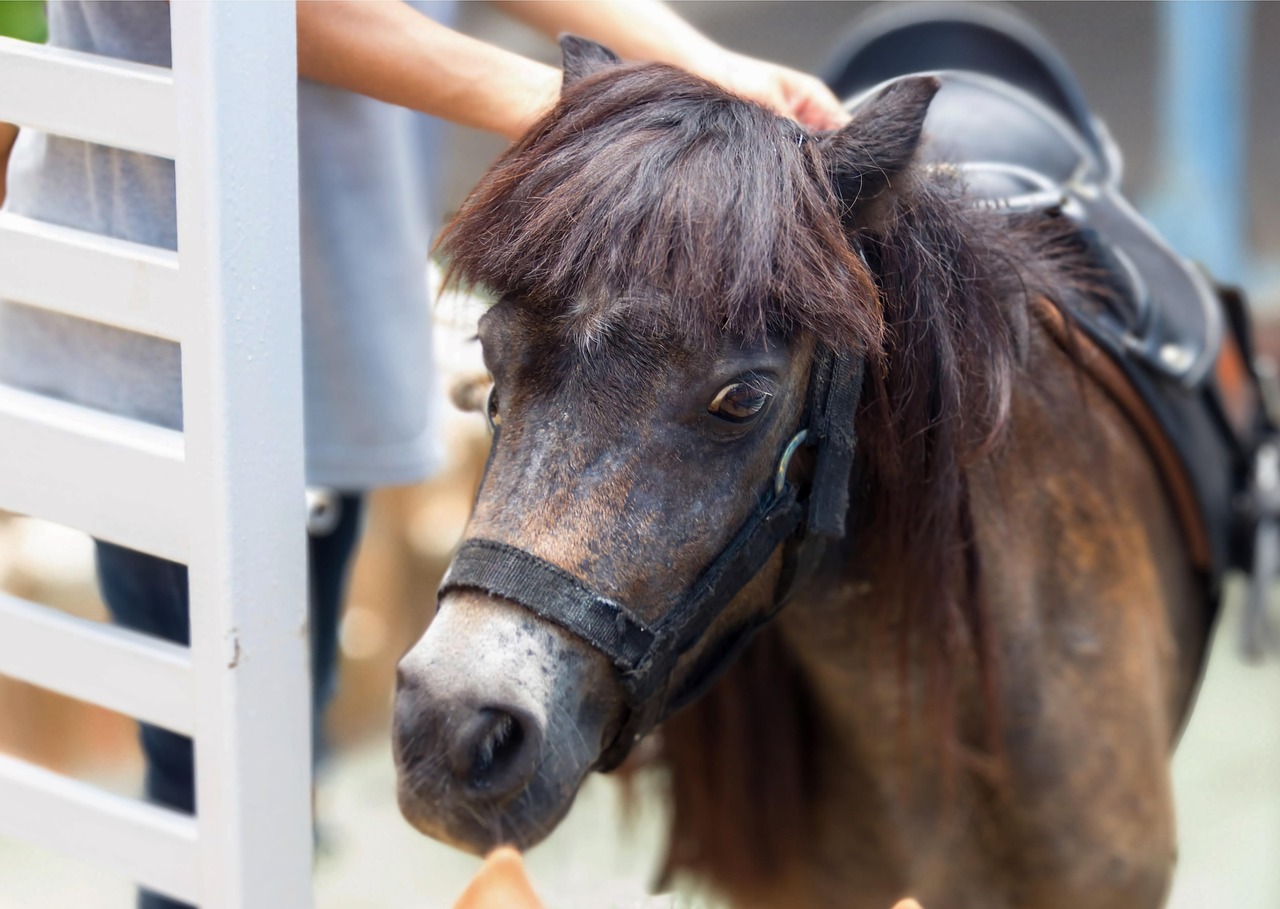
Miniature horses are increasingly becoming popular as pets, companions, and even therapy animals. Their small size, unique charm, and manageable nature make them a delightful addition to any barn or backyard. However, owning a mini horse is not just about admiration; it requires proper care, dedication, and preparation.
This comprehensive guide will walk you through everything you need to know about getting started with owning a miniature horse, from choosing the right horse to ensuring their well-being. Whether you’re a first-time horse owner or adding to your equine family, this article will equip you with valuable insights.
Understanding Miniature Horses
Miniature horses, often referred to as “minis,” are a distinct breed known for their small stature, friendly demeanor, and versatility. They are not ponies but fall under the horse species, selectively bred to maintain their miniature size.
Main Characteristics of Mini Horses:
- Height: Typically under 34–38 inches at the withers.
- Weight: Ranges between 150–350 pounds.
- Lifespan: 25–35 years with proper care.
- Temperament: Gentle, intelligent, and social.
For more details about their unique traits, visit the AMHA breed standards.
Step 1: Assessing Your Readiness for a Mini Horse
Before diving into ownership, it’s crucial to reflect on whether you’re prepared for the responsibility of caring for a miniature horse. Owning a mini is a long-term commitment that involves time, effort, and financial investment.
Questions to Ask Yourself:
- Do you have enough space for the horse to roam and graze?
- Are you prepared to handle routine care, including feeding, grooming, and veterinary visits?
- Can you afford the ongoing costs of ownership, such as food, shelter, and medical care?
- Do you have the time to spend socializing and bonding with your mini?
Step 2: Finding the Right Mini Horse
Choosing the right miniature horse is one of the most critical steps in your journey. Each horse has its own personality, needs, and preferences, so finding a good match is essential.
Where to Find Mini Horses for Sale or Adoption:
- Breeders: Look for reputable breeders who prioritize the health and well-being of their horses. Locate the nearest chapter of AMHA for connections.
- Rescue Organizations: Adopting a mini from a rescue can be a fulfilling option.
- Online Classifieds: Websites like Equine.com often list mini horses for sale.
Considerations When Choosing a Mini:
- Health: Look for signs of good health, such as a shiny coat, clear eyes, and an alert demeanor.
- Temperament: A friendly and calm mini is ideal for beginners.
- Age: Younger horses require more training, while older ones may be more settled.
Step 3: Preparing for Your Mini Horse’s Arrival
Once you’ve chosen your mini, it’s time to prepare your property and supplies to ensure a smooth transition.
Essential Supplies for Mini Horse Care:
- Shelter: A sturdy barn or run-in shed to protect them from the elements.
- Fencing: Safe, secure fencing to prevent escape. Avoid barbed wire.
- Feed and Water: High-quality forage such as hay, supplemented with grain if needed. Fresh, clean water must be available at all times.
- Grooming Tools: Brushes, hoof picks, and detanglers to maintain their coat and hooves.
- Tack: If you plan to drive or train your mini, invest in appropriately sized tack.
Step 4: Feeding and Nutrition
Miniature horses have specific dietary needs that differ from larger horses. Overfeeding can lead to obesity and related health issues.
Feeding Guidelines:
- Hay: The primary component of their diet. Offer 1–1.5% of their body weight daily.
- Grain: Only if necessary and in small quantities. Consult a veterinarian.
- Supplements: Provide a mineral block or supplement for balanced nutrition.
- Avoid: Excessive treats, sugary feed, or lush pasture, which can cause laminitis.
For a detailed feeding plan, you will want to consult your veterinarian.
Step 5: Routine Care and Maintenance
Owning a mini horse involves more than feeding and sheltering. Regular care ensures their health and happiness.
Daily Care:
- Check for injuries or signs of illness.
- Provide fresh water and clean their feeding area.
- Spend time socializing and grooming.
Weekly Care:
- Groom their coat to prevent matting and skin issues.
- Clean their hooves to avoid infections like thrush.
Monthly Care:
- Schedule farrier visits for hoof trimming.
- Inspect their shelter and fencing for maintenance needs.
Step 6: Health and Veterinary Care
Miniature horses require regular veterinary visits to stay healthy. Vaccinations, dental care, and deworming are crucial aspects of their medical routine.
Common Health Issues in Mini Horses:
- Obesity: Due to their small size, they are prone to weight-related issues.
- Dental Problems: Their teeth can become overgrown and require floating.
- Laminitis: A painful condition caused by improper diet or obesity.
- Parasites: Routine deworming prevents infestations.
Step 7: Training and Enrichment
Miniature horses are highly intelligent and benefit from regular training and enrichment activities. Training not only strengthens your bond but also prevents behavioral issues.
Training Tips for Mini Horses:
- Start with basic commands like “stand,” “walk,” and “come.”
- Use positive reinforcement techniques, such as treats and praise.
- Gradually introduce harness training for driving or therapy work.
Enrichment Ideas:
- Provide toys like balls or cones for playtime.
- Rotate grazing areas to keep them engaged.
- Spend time walking or exercising them daily.
Step 8: Building a Relationship with Your Mini Horse
Miniature horses thrive on social interaction and companionship. Building a strong bond with your mini requires patience, consistency, and affection.
Ways to Bond with Your Mini:
- Grooming: Regular brushing creates trust and relaxation.
- Playtime: Engage in interactive games or obstacle courses.
- Quality Time: Spend time simply sitting with them, observing their behavior.
Frequently Asked Questions (FAQ)
1. Are miniature horses good for beginners?
Yes, mini horses are an excellent choice for beginners due to their manageable size, friendly temperament, and ease of care. However, they still require dedication and proper training.
2. How much space does a mini horse need?
A mini horse requires at least 1/4 to 1/2 acre of pasture per horse. Ensure the area is securely fenced and has adequate shelter.
3. Can miniature horses live indoors?
While mini horses can visit indoors for short periods, they are not suitable for full-time indoor living. They need outdoor space to roam and graze.
4. How much does it cost to own a mini horse?
The initial cost of a mini horse ranges from $500 to $5,000, depending on the breed and training. Monthly expenses for food, vet care, and supplies can range from $100 to $300. Check out my honest breakdown.
5. Are mini horses good with children?
Yes, mini horses are generally gentle and good with children. However, supervision is essential to ensure safety and proper handling.
Final Thoughts
Owning a miniature horse is a rewarding experience that brings joy, companionship, and fulfillment. By following these steps and dedicating time to their care, you’ll create a loving environment for your mini horse to thrive.
For more insights and resources, explore our complete guide to mini horse care.
Happy mini horse ownership! Let your journey with these delightful creatures begin.