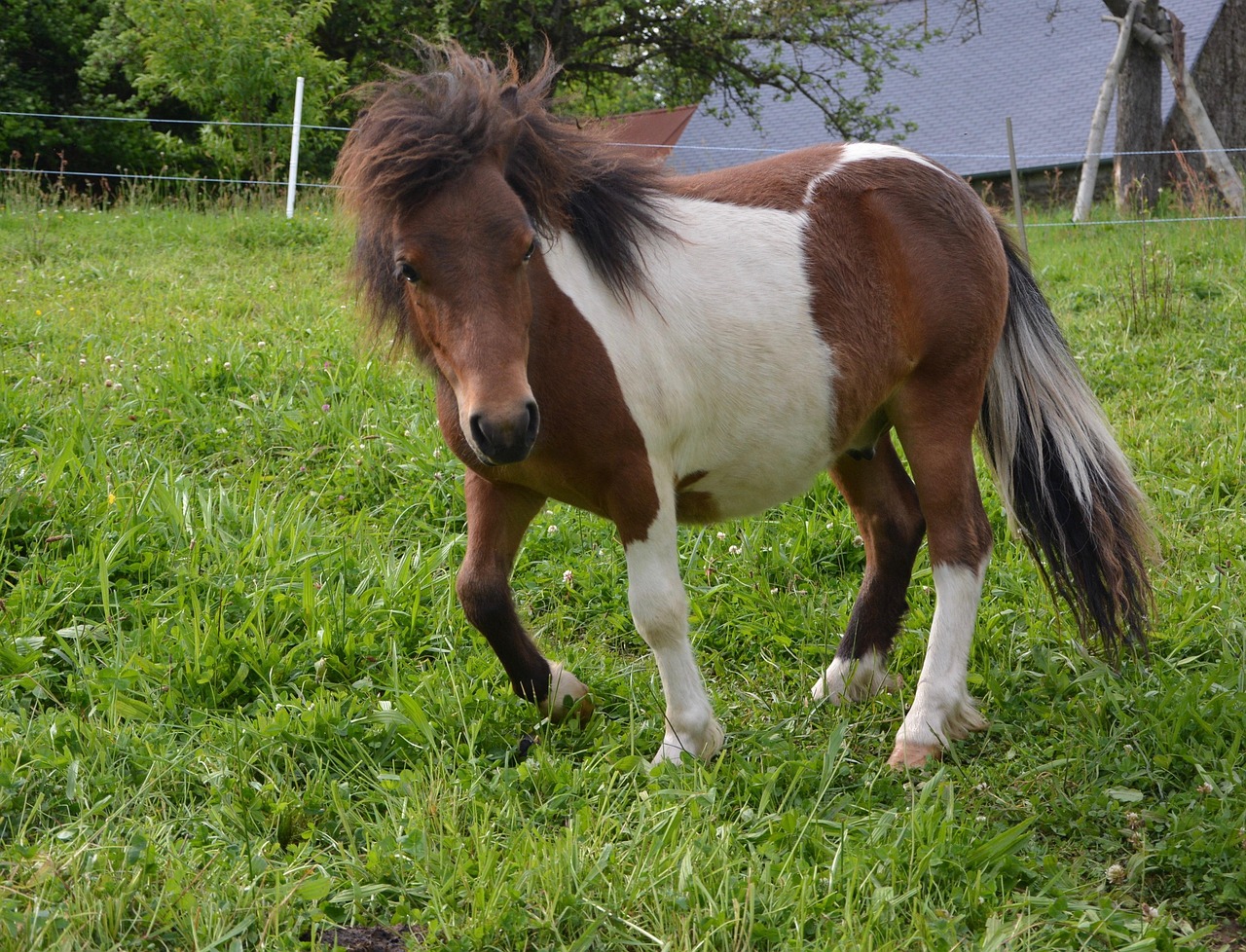
Miniature horses may be small in size, but their health needs are just as important as any full-size horse’s. In fact, some conditions are even more common in minis due to their compact build and sensitive metabolism. As a caring owner, knowing what to look for can make all the difference. With the right knowledge and regular care, you can catch issues early and keep your tiny companion feeling their best. This guide covers the most common miniature horse health problems, simple prevention steps, and when to call the vet
Obesity and Weight-Related Issues
Miniature horses are adorable, but it’s easy for them to pack on pounds. Because of their small size and efficient metabolism, even a little extra feed can lead to obesity. Overweight minis are more likely to develop laminitis and metabolic disorders.
Prevention Tips:
- Feed grass hay instead of rich alfalfa.
- Avoid sugary treats and grain.
- Make sure they get daily exercise (even short walks help).
- Use a weight tape regularly to track changes.
Laminitis (Founder)
Laminitis is a painful inflammation in the hooves, often caused by overeating rich food or sudden diet changes. Minis are especially prone to it when grazing on lush grass.
Warning Signs: reluctance to move, shifting weight, heat in hooves, or a “rocked back” stance.
Prevention: Limit pasture time, use grazing muzzles if needed, and feed on a schedule. Immediate vet care is critical if symptoms appear.
Dental Problems
Because of their small jaws and crowded teeth, miniature horses often struggle with dental issues like overbites, sharp points, or uneven wear.
Signs to Watch For: dropping food, bad breath, or difficulty chewing.
Prevention: Schedule dental exams once or twice a year, and ask your vet about floating (filing) teeth when necessary.
Dwarfism and Genetic Disorders
Some minis are born with dwarfism, which can cause leg deformities, dental issues, or internal problems. Ethical breeders test for these traits, but it’s important to be aware.
Prevention: Buy from reputable breeders who screen for genetic issues, and provide lifelong supportive care if your mini is affected.
Colic (Digestive Upset)
Colic is an umbrella term for abdominal pain, often due to gas, impaction, or sudden feed changes. Minis are more susceptible because of their small digestive tracts.
Symptoms: rolling, pawing, lying down repeatedly, or refusing to eat.
Prevention: Feed consistent, small meals; ensure clean water at all times; and avoid sudden diet changes. Call your vet immediately if colic is suspected.
Hyperlipemia (Fatty Liver Disease)
Unique to minis and ponies, hyperlipemia occurs when a stressed or fasting horse breaks down fat too quickly. It can be fatal if untreated.
Prevention: Keep minis on a steady diet, reduce stress, and never let them go without food for more than a few hours.
Parasites and Deworming
Minis can suffer from worms just like any other horse. Routine deworming and fecal tests are essential for gut health. Ask your vet for a rotation plan suited to your area.
Miniature horses bring enormous joy, and with a little care and attention, they can live long, healthy lives. The key is prevention: regular vet visits, balanced feeding, clean living conditions, and daily observation. By learning to spot early signs of trouble, you’ll protect your mini from discomfort and help them thrive for years to come. Remember: small doesn’t mean simple, but your love and dedication make all the difference. Stay alert, stay gentle, and you’ll have a happy, healthy mini who greets you every day with bright eyes and a cheerful whinny.