
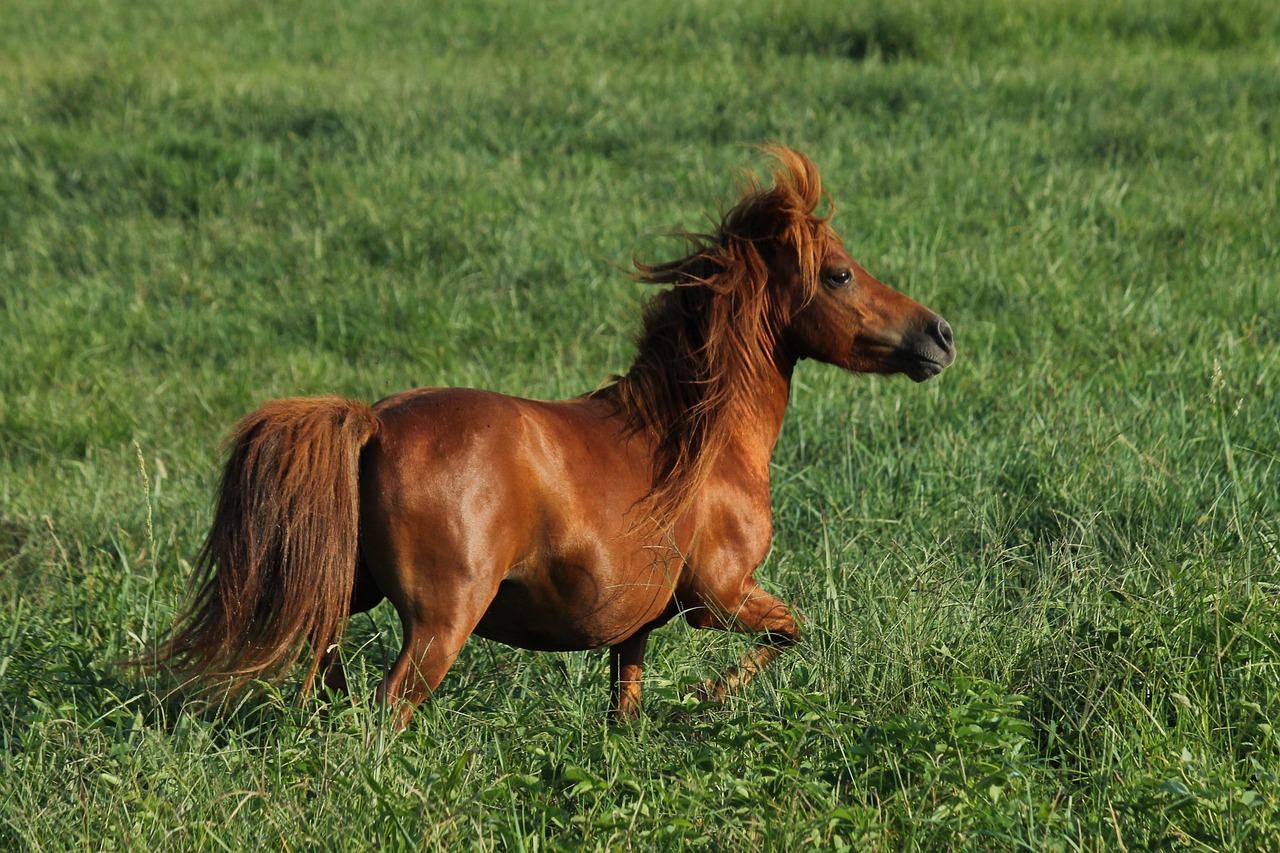
Miniature horses, often referred to as “minis,” are charming, intelligent, and affectionate animals that make wonderful companions. Their small stature and unique needs set them apart from their full-sized counterparts, requiring specialized care and attention. In this comprehensive guide, we will delve into every aspect of mini horse care, ensuring you have all the knowledge necessary to keep your miniature equine friend happy, healthy, and thriving.
Table of Contents
- Understanding Miniature Horses
- Housing and Shelter Needs
- Nutrition and Feeding Guidelines
- Health Care and Veterinary Visits
- Grooming and Hoof Care
- Exercise and Enrichment
- Training and Behavior Management
- FAQs on Mini Horse Care
Understanding Miniature Horses
Miniature horses are a unique equine breed that has been selectively bred to be small yet proportionate. Unlike ponies, which can appear stocky, miniature horses maintain the refined conformation of full-sized horses. They stand under 38 inches tall at the withers and are known for their gentle, friendly temperament.
History of Miniature Horses
Miniatures originated in Europe in the 1600s, where they were bred for noble families as pets and companion animals. Over time, their popularity grew, leading to the development of breed registries and standardized care guidelines.
Why Choose a Mini Horse?
Miniature horses are ideal for:
- Families looking for a low-maintenance equine pet.
- Individuals interested in equine-assisted therapy.
- Hobby farmers seeking a manageable-sized horse.
Learn more about their history and characteristics by visiting The American Miniature Horse Association.
Housing and Shelter Needs
Miniature horses require a safe, comfortable environment tailored to their size. Their smaller stature makes them more vulnerable to weather extremes and predators, so adequate housing is essential.
Shelter Guidelines
- Size Requirements: A 10’x10′ stall is sufficient for a single mini horse. For outdoor shelters, ensure there is enough space for them to move freely.
- Bedding: Soft, absorbent bedding such as straw or wood shavings should be used to provide comfort and maintain cleanliness.
- Ventilation: Proper airflow is crucial to prevent respiratory issues. Ensure the shelter is well-ventilated but free from drafts.
Fencing
Due to their small size, mini horses require secure fencing to prevent escape and injuries. Recommendations include:
- Fence Height: At least 4 feet tall.
- Material: Avoid barbed wire; use smooth, sturdy materials such as wood or vinyl.
- Electric Fencing: If used, ensure it is set at a height that won’t harm the horse.
Explore more shelter tips at Equine Facility Design.
Nutrition and Feeding Guidelines
Feeding a mini horse is not just about quantity; it is about meeting their specific dietary needs. Providing a high quality diet can help maintain your mini’s health just like your own diet influences your health. Overfeeding can lead to obesity and related health issues, while underfeeding can result in malnutrition.
Basic Diet
- Forage:
- High-quality grass or hay should make up 70-90% of their diet.
- Provide approximately 1-1.5% of their body weight in forage daily.
- Concentrates:
- Grain or pelleted feeds should only be given if necessary, depending on their workload and nutritional needs.
- Opt for feeds formulated for miniature horses.
- Supplements:
- A balanced vitamin and mineral supplement can fill in nutritional gaps.
- Consult a veterinarian for specific recommendations.
Feeding Tips
- Feed small, frequent meals to mimic their natural grazing habits.
- Ensure fresh, clean water is available at all times.
- Use feeders designed for their height to prevent neck strain.
For detailed feeding plans tailored to your mini horse, consult your veterinarian.
Health Care and Veterinary Visits
Miniature horses are prone to specific health issues due to their size and genetics. Regular veterinary care is essential to detect and address problems early. Check out our article on common mini horse health issues.
Common Health Issues
- Obesity: Minis are prone to weight gain due to their efficient metabolism.
- Dental Problems: Their small mouths can result in overcrowding and uneven wear.
- Laminitis: This painful hoof condition is often linked to dietary imbalances.
- Parasites: Routine deworming is critical to prevent infestations.
Preventative Care
- Vaccinations: Follow your veterinarian’s recommended vaccination schedule.
- Deworming: Perform fecal egg counts to determine the appropriate deworming protocol.
- Dental Care: Schedule annual dental check-ups to address any issues.
- Hoof Trimming: Trim hooves every 6-8 weeks to prevent lameness.
For more health care resources, check out American Association of Equine Practitioners.
Grooming and Hoof Care
Regular grooming not only keeps your mini horse looking great but also promotes bonding and allows you to monitor their health.
Grooming Tools
- Soft-Bristled Brush: For their delicate skin.
- Mane and Tail Comb: To detangle without causing damage.
- Hoof Pick: To remove debris and check for injuries.
Grooming Routine
- Brush their coat daily to remove dirt and improve circulation.
- Check and clean their hooves regularly to prevent infections.
- Bathe them sparingly, using equine-specific shampoos.
Exercise and Enrichment
Miniature horses need regular exercise to maintain their physical and mental well-being. Lack of activity can lead to boredom, weight gain, and behavioral issues.
Exercise Ideas
- Walks: Take them for walks on a lead rope.
- Obstacle Courses: Set up agility-style courses to challenge their minds and bodies.
- Turnout Time: Allow them to roam in a secure pasture.
Enrichment Activities
- Provide toys such as balls or treat-dispensing puzzles.
- Introduce them to new environments to prevent monotony.
- Engage in training sessions to stimulate their intelligence.
Training and Behavior Management
Training your mini horse is essential for their safety and your enjoyment. These intelligent animals are quick learners but require patience and consistency.
Basic Training Tips
- Start with groundwork, such as leading and standing still.
- Use positive reinforcement techniques, like treats and praise.
- Be consistent with commands and expectations.
Common Behavior Issues
- Nipping: Discourage this by redirecting their attention.
- Stubbornness: Keep training sessions short and engaging to maintain their interest.
FAQs on Mini Horse Care
1. How much space does a mini horse need?
Mini horses require at least 1/4 acre of pasture per horse. However, they can thrive in smaller areas if provided with regular exercise.
2. Can mini horses live with other animals?
Yes, mini horses are social animals and can coexist with other livestock, such as goats or full-sized horses, provided they are introduced gradually.
3. How often should I groom my mini horse?
Daily grooming is ideal for maintaining their health and cleanliness. At a minimum, groom them 2-3 times per week.
4. Do mini horses need shoes?
Most mini horses do not require shoes due to their light weight. However, regular hoof trimming is essential.
5. Are mini horses suitable for children?
Yes, their small size and gentle nature make them excellent companions for children, but supervision is always recommended.
By following the guidelines in this comprehensive guide, you’ll be well-equipped to provide the best possible care for your miniature horse.
Keep your mini happy, healthy, and loved!