
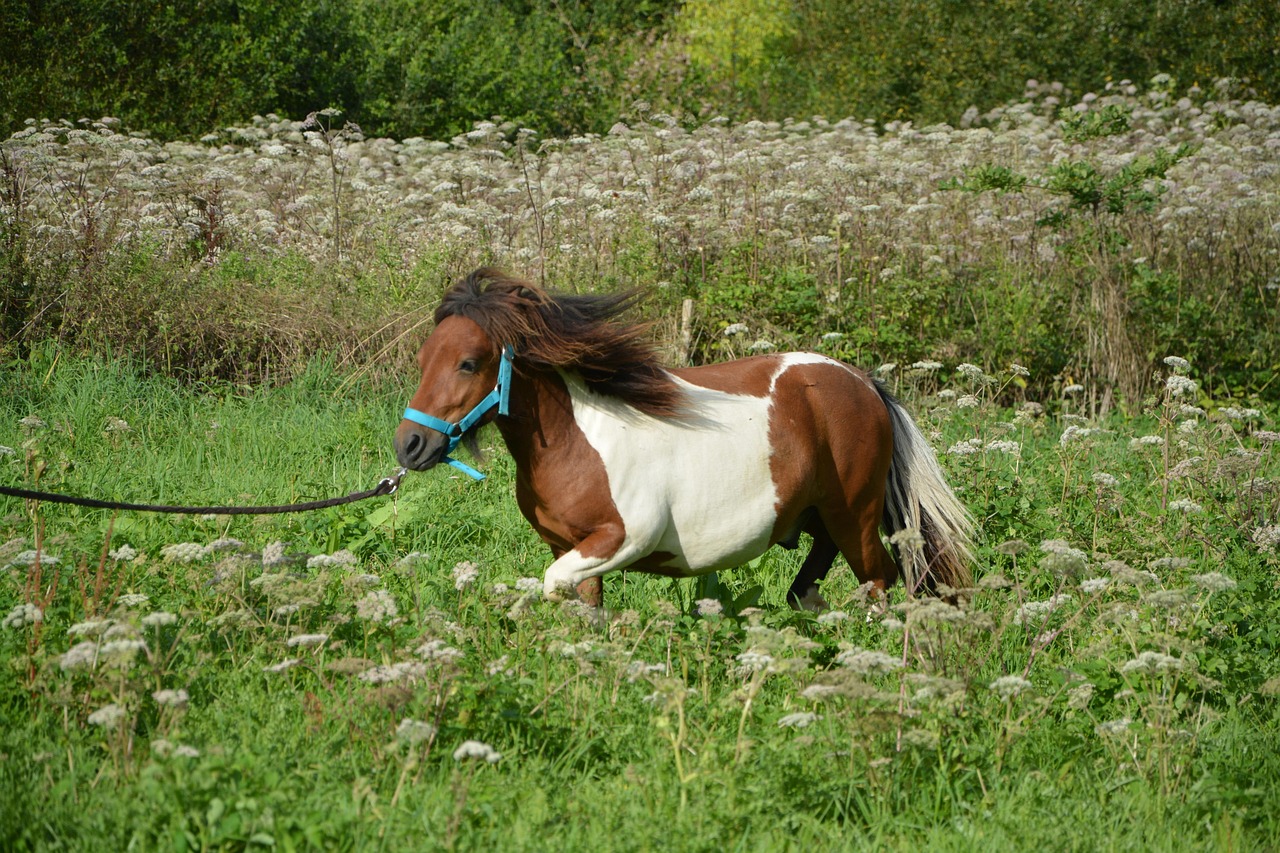
Mini horses might be small, but they come with big personalities and plenty of love to give! Whether you’re adding a miniature horse to your family farm or simply fulfilling a lifelong dream, caring for these pint-sized equines is a joyful experience. But it’s not quite as simple as treating them like a “tiny version” of a full-size horse — their care needs are unique. From feeding the right amount to grooming those adorable manes, this guide walks you through the basics of mini horse care with friendly, easy-to-follow tips that’ll help your new best friend thrive.
Nutrition: Feed Small, Think Smart
Mini horses require a carefully balanced diet because their small bodies can gain weight quickly. Good-quality grass hay is the foundation — about 1.5% of their body weight per day. Avoid overfeeding grain unless your vet recommends it. A salt block and fresh water should always be available. Remember: minis may be tiny, but they still need the same attention to nutrition as larger horses. Too many treats or rich pasture can lead to obesity or laminitis, so moderation is key!
Space & Shelter: Room to Roam (Safely)
Mini horses don’t need acres of land, but they do need a secure, clean space to move around. A small paddock or dry lot works great. Fencing should be safe and low enough to prevent escape — no barbed wire! Provide a run-in shelter to protect them from rain, wind, and sun. Their coats might look plush, but they still need shade and a dry spot for resting.
Hoof Care & Grooming: Small Feet, Big Responsibility
Even mini hooves need regular trimming every 6–8 weeks from a qualified farrier. Regular grooming isn’t just for looks — it helps you spot skin irritations, parasites, or injuries early. A soft brush, gentle curry comb, and mane detangler make your grooming sessions both productive and bonding moments. Plus, they’ll love the extra attention!
Vet Visits & Preventive Care
Minis need the same veterinary attention as any other horse. Keep up with vaccines, deworming schedules, and dental checkups (those tiny teeth can still cause big problems!). Because minis are prone to obesity and metabolic issues, routine checkups can help catch problems early. Ask your vet about a diet plan and ideal weight range.
Companionship & Training
Mini horses are very social animals. They thrive on companionship — whether that’s another mini, a goat, or even a calm full-size horse. Spend time each day leading, brushing, or just hanging out. Gentle, consistent handling builds trust and makes future training easier. Remember, their intelligence means they can learn fun tricks and love positive reinforcement.
Caring for a mini horse is a rewarding mix of laughter, learning, and love. With the right balance of nutrition, exercise, and affection, your mini can live a long, happy life — often 25 years or more! Whether they’re your pasture pal or therapy companion, these little horses give back so much joy. Keep their care simple, safe, and consistent, and you’ll have a tiny equine friend who’s big on heart (and even bigger on personality).